February 13, 2026
Pool maintenance is a critical component of ensuring safety for everyone who uses them. Without proper care, pools can quickly become hazardous, posing risks such as slips, falls, and potential drownings. Unfortunately, many pool owners either overlook or underestimate the importance of regular pool repairs. This negligence can lead not only to accidents but also to severe injuries or fatalities. Ensuring consistent pool maintenance is crucial in mitigating these hazards and safeguarding users. Let's take a look at a few helpful tips to help prevent pool repairs.
Understanding Common Pool Issues
Leaks in pools can significantly undermine their structural integrity over time. When water consistently seeps out, it can erode the foundation and surrounding areas, leading to costly repairs. This structural damage can present hidden dangers for swimmers and those around the pool. Unattended leaks might initially seem minor, but can eventually result in catastrophic failure of the pool structure. Timely detection and repair of leaks are thus essential for pool safety.
Malfunctioning Equipment
When equipment malfunctions, such as pumps, filters, and heaters, it poses significant risks. Faulty pumps may fail to circulate water adequately, leading to stagnant and unsafe pool conditions. Heaters not functioning correctly can result in dangerously cold or overly warm water, which can be harmful. Filters that do not work effectively allow debris and bacteria to accumulate, presenting health risks. Regular checks and timely repairs of this equipment are crucial for avoiding these dangers.
Addressing Wear and Tear on Surfaces
Pool surfaces, over time, are subjected to wear and tear due to constant use and exposure to chemicals. Cracks, chips, or abrasive surfaces can cause slips, falls, and undesirable injuries to pool users. Maintaining these surfaces requires diligence in identifying problem areas before they become hazardous. By addressing wear early, pool owners can prevent slips and other accidents. Regular resurfacing or minor repairs can substantially reduce risks associated with worn-out pool surfaces.
Concerning Drain and Suction Issues
Improperly functioning drains and suction areas can lead to severe safety concerns, including suction entrapment. This occurs when body parts, hair, or clothing get entrapped by the powerful suction mechanisms, posing drowning risks. According to VDH, in Virginia, on average, one person drowns every four days, emphasizing the importance of addressing these issues. Ensuring that drains are covered with anti-entrapment covers and systems are functioning correctly is key to reducing these dangers. Regular pool repairs can identify and mitigate these risks effectively.
Avoiding Water Quality Problems
Maintaining correct water quality is vital in preventing health-related issues for swimmers. Imbalances in pH levels, chlorine, and other chemical agents can cause skin irritations, infections, and respiratory problems. Regular testing and balancing of pool water chemicals help ensure a safe swimming environment. Pool owners must stay informed about the required chemical adjustments needed for healthy water quality. Addressing water quality issues promptly reduces health hazards for all pool users.
Implementing Regular Maintenance
Implementing routine pool repairs allows for the early identification of potential pool hazards. Regular checks of pool equipment, surfaces, and water quality prevent small issues from escalating into larger problems. Training pool caretakers to recognize signs of wear or malfunction is necessary for effective inspections. Having a checklist for inspections ensures that no aspect of pool maintenance is overlooked. Routine pool repairs foster a proactive approach to pool safety and maintenance.
Staying Up on Timely Repairs and Upgrades
Addressing pool issues promptly through timely pool repairs can prevent further degradation and potential accidents. Upgrading older pool systems with new technology often enhances safety features and overall performance. Pool owners can save significantly by handling repairs quickly rather than allowing problems to worsen. The financial benefits of proactive maintenance far outweigh the costs associated with potential disasters. Timely pool repairs secure long-term safety and functionality of pool areas.
Assessing the Importance of Professional Evaluations
Engaging professionals for periodic pool evaluations brings a wealth of expertise and insight into pool safety. Experts can provide comprehensive assessments that identify hidden risks and potential issues not easily discernible to untrained eyes. Professional evaluations often highlight areas needing immediate or future attention, ensuring the pool remains safe for use. These evaluations provide peace of mind, guaranteeing that the pool meets all safety standards and regulations. Investing in expert assessments significantly reduces the risks associated with pool ownership.
Creating Maintenance Schedules and Checklists
Creating and adhering to a detailed maintenance schedule ensures all facets of pool care are consistently addressed. Checklists provide a structured approach to inspecting equipment, verifying water quality, and scrutinizing pool infrastructure. Regular adherence to established schedules minimizes the risk of overlooking critical maintenance tasks. Scheduling maintenance activities also aligns with seasonal care needs, adapting to changes in weather and usage patterns. Structured maintenance plans are invaluable in achieving comprehensive pool safety management.
Balancing Chemical Levels
Ensuring correct chemical levels is a cornerstone of water safety and health for pools. Regular testing and adjustment of chemicals such as chlorine, pH, and alkalinity prevent harmful bacteria growth and ensure water is safe for swimmers. Pool owners should be equipped with the necessary tools and knowledge to manage and correct chemical imbalances. Professional services are also available for more complex chemical management needs. Routine chemical balancing protects pool users from potential waterborne illness and discomfort.
Enhancing Pool Safety Features
Installing safety barriers and fencing is a primary measure to prevent unauthorized or accidental access to pools. These physical barriers serve as deterrents, especially for young children and pets. Fences must be constructed to comply with local regulations, ensuring they are effective in keeping the pool area secure. The addition of self-locking gates and alarms enhances the efficacy of these safety features. Establishing robust barriers around pools is integral to preventing drownings and accidental injuries.
Investing in Non-Slip Surfaces
Choosing non-slip materials for decking and pool surrounds significantly reduces the risk of slips and falls. These surfaces provide additional traction even when wet, increasing safety for all users. Many materials and non-slip treatments are available, designed to withstand both environmental conditions and regular wear. Investing in these safety features underscores the pool owner's commitment to safety and injury prevention. The additional expense of non-slip surfaces is minimal compared to the potential costs of accidents and litigation.
Upgrading Pool Lighting
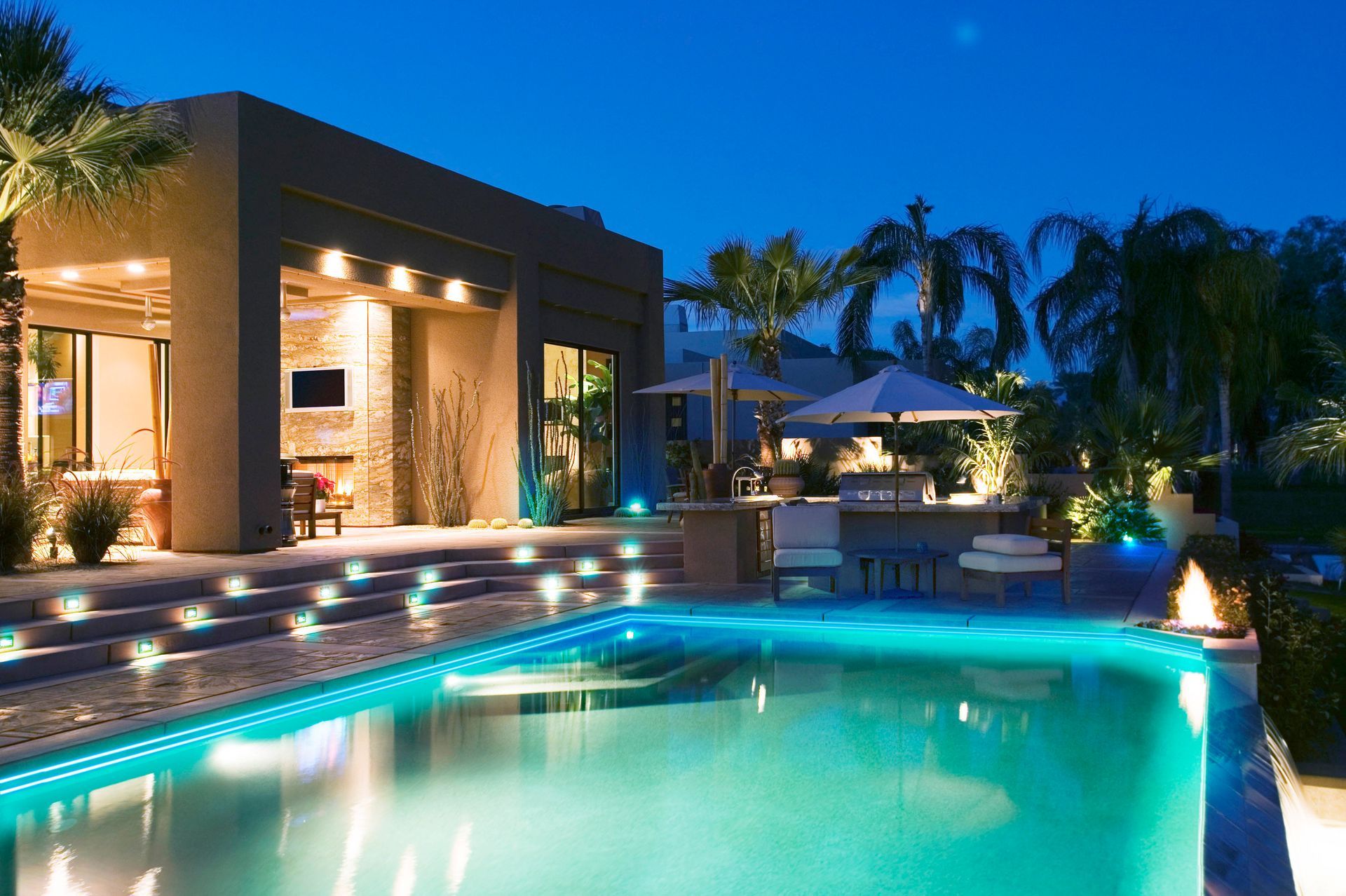
Adequate lighting is essential for ensuring pool safety, particularly during evening or nighttime use. Well-lit pools enhance visibility, reducing the potential for accidental injuries because of unseen obstacles. Advances in LED technology provide environmentally friendly and cost-effective options for pool lighting. Ensuring that pathways, decks, and pool interiors are adequately illuminated helps prevent mishaps. Installing effective lighting is a straightforward enhancement that significantly improves safety for nocturnal pool activities.
Implementing Proper Signage
Clear signage is a vital communication tool in conveying pool rules and safety warnings to users. Signs indicating depth changes, diving prohibitions, or emergency procedures guide appropriate behavior around the pool. Additionally, graphical and multilingual signs cater to diverse audiences, ensuring accessibility for all users. Regularly reviewing and updating signage to reflect current safety standards is essential. Correct placement and maintenance of signs reinforce safety protocols and assist in preventing misunderstandings and accidents.
Regular pool maintenance and timely repairs are crucial in preventing accidents, injuries, and unforeseen liabilities. Diligent oversight not only ensures safety but also offers peace of mind to homeowners and pool users. By addressing issues promptly and incorporating recommended safety measures, pool owners mitigate personal and financial risks. Proactive care maintains the pool's structural and operational integrity, supporting a safe, enjoyable environment for all. Emphasizing repairs as core components of ownership seamlessly intertwines enjoyment and responsibility, achieving an essential balance in pool management. If you need to have your pool inspected, call the professionals at Bnc Perfections today.