December 12, 2025
Explore essential pool installation features designed to keep infants safe, ensuring peace of mind for parents and caregivers. When installing a pool in a home with young children, safety considerations are paramount. With drowning being the leading cause of death among children ages one to four, according to the Virginia Department of Health (VDH), it is crucial to implement effective safety measures. These measures should focus on preventing accidental access to the pool and ensuring a secure environment. By integrating various layers of safety, parents can protect their infants while enjoying the benefits of a home pool. Thoughtful pool installation choices can greatly enhance overall safety and long-term peace of mind.
1. Fencing and Barriers
A. Types of Fencing Materials
Fencing is the first line of defense in preventing young children from accessing the pool unsupervised. There are several materials to choose from, including wood, aluminum, vinyl, and glass, each offering various benefits. Wood fences provide a natural, classic look, while aluminum is favored for its durability and low maintenance. Vinyl fencing offers a variety of styles and colors, often requiring less upkeep. Glass fencing provides an unobstructed view of the pool area, blending seamlessly with the surroundings. When paired with proper pool installation planning, these materials significantly improve overall safety.
B. Self-Latching Gates
Equipping pool fences with self-latching gates is an essential safety feature. These gates are designed to close and latch automatically, ensuring the gate remains closed when not in use. A high-quality latch positioned on the pool side of the gate can prevent young children from opening it. The latch should be placed at a height inaccessible to toddlers, further enhancing security. Regular maintenance checks are recommended to ensure the gates function correctly at all times.
C. Height and Placement Specifications
Proper height and placement of pool fences are critical in preventing access by young children. Fences should be at least four feet high, as recommended by safety guidelines, to deter climbing. Installing fences around the entire pool perimeter with no gaps is crucial in eliminating safety hazards. The fence should be set back from the pool edge to prevent a child from climbing over and falling into it. Professional guidance can help ensure compliance with local regulations and standards, especially during pool installation.
2. Pool Covers
A. Automatic vs. Manual Covers
Pool covers are a vital part of pool safety, providing a barrier when the pool is not in use. Automatic pool covers are convenient, offering easy operation with the push of a button. Manual covers, while more affordable, require more effort to apply and remove. An effective pool cover should support the weight of a child or pet and resist accidental access. Investing in a high-quality pool cover enhances overall safety and contributes to peace of mind. This is an important consideration when undergoing any type of pool installation.
B. Safety Standards and Compliance
When selecting a pool cover, it is important to ensure it meets established safety standards. Compliance with ASTM International standards for pool covers is crucial for ensuring protection. These standards specify aspects like the cover’s ability to support weight and resist accidental access. Certification labels can help verify compliance, providing assurance that the cover meets rigorous safety requirements. Research and comparisons of different brands can guide informed purchasing decisions.
C. Material Durability and Maintenance
Durability is a key consideration when choosing a pool cover. Materials such as reinforced vinyl or high-grade mesh are preferred for their strength and longevity. Regular maintenance, including inspections for wear and tear, is important to preserve the cover’s integrity. Proper cleaning and storage when not in use can extend its lifespan. By prioritizing durability, pool owners can ensure that their safety covers provide reliable protection over time.
3. Alarm Systems
A. Types of Pool Alarms
Pool alarms serve as an additional layer of safety, alerting caregivers of potential pool access. These alarms come in different types, including surface wave alarms, subsurface disturbance alarms, and wearable alarms. Surface alarms detect waves on the pool surface, while subsurface alarms detect water displacement. Wearable alarms, worn as wristbands, alert caregivers if a child enters the water. Selecting the right type of alarm depends on pool design, safety goals, and the specifics of the pool installation.
B. Installation and Coverage Range
Proper installation and placement are crucial to ensure pool alarms function effectively. Surface alarms should be positioned where waves are most likely, often near the center of the pool. Subsurface alarms require installation below the waterline to detect underwater movement. Coverage range varies by type, requiring careful assessment to ensure full pool coverage. Professional installation can help optimize alarm performance and prevent false positives or negatives.
C. Sensitivity and Response Time
An alarm system’s sensitivity and response time are critical in providing timely alerts. Systems should be sensitive enough to detect small disturbances yet avoid unnecessary triggers. Rapid response time is essential, allowing caregivers to react promptly to potential danger. Testing the system regularly is key to maintaining its sensitivity and effectiveness. Adjustments may be necessary to tailor sensitivity to specific pool environments.
4. Non-Slip Pool Decks
A. Material Choices for Safety
Selecting the right material for a pool deck can significantly enhance safety, particularly for infants. Non-slip materials such as textured concrete, rubber, and stone pavers help reduce the risk of accidental slips and falls. Concrete can be finished with a broom or brush to increase friction. Rubber offers a cushion that can further protect against injuries. Stone pavers provide a natural look while maintaining a safe poolside environment.
B. Texture Variants and Effectiveness
Different texturing techniques can increase the effectiveness of non-slip surfaces. Stamped textures create raised patterns that enhance grip, while exposed aggregates provide a rougher surface. Sandblasting or acid-etching can also add slip resistance. Each texture has different aesthetic and functional qualities, allowing customization to meet specific safety requirements. Regular re-sealing can help maintain these textures and prolong their effectiveness.
C. Long-term Durability
Durability is crucial for ensuring that non-slip surfaces continue to provide safety over time. High-quality materials, combined with proper care, can withstand environmental wear and tear. Routine maintenance, including cleaning and sealing, is essential for preserving their condition. Choosing products designed for heavy use ensures that surfaces remain effective in reducing hazards. Investing in durability can mitigate early replacement costs and retain a safe, attractive pool area.
5. Pool Entrances
A. Zero-Entry Designs
Zero-entry pool designs offer gradual slope entrances, resembling a beach, making it easier and safer for children to enter and exit. These entry types are excellent for non-swimmers, providing a secure and enjoyable play environment. The gentle slope eliminates the need for steps, reducing tripping hazards. Zero-entry designs enhance accessibility and are visually appealing, seamlessly integrating with landscaping. This approach also supports safer pool installation by prioritizing accessibility.
B. Safety Steps and Ladders
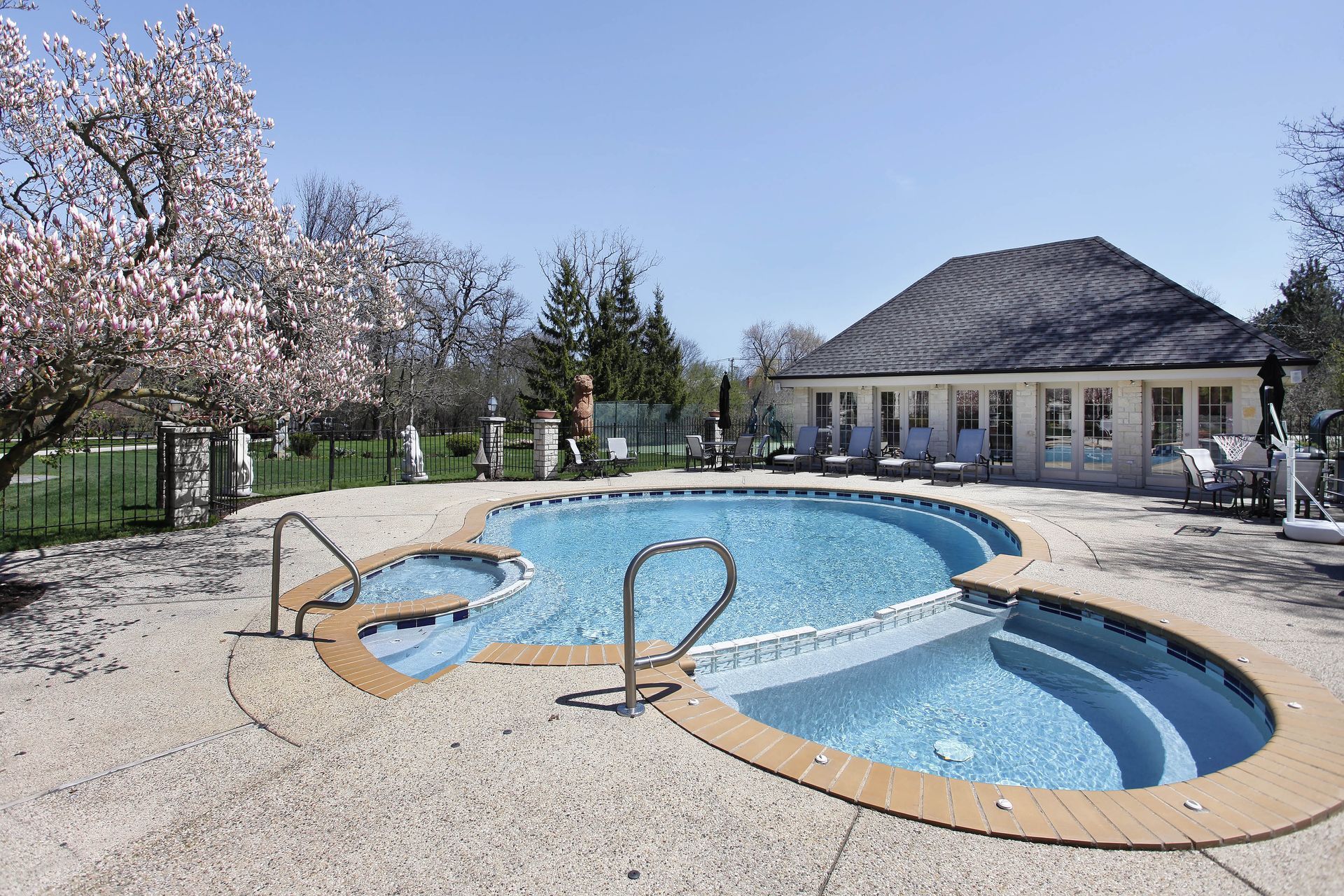
For traditional pools, safety steps and ladders are vital components for secure access. Steps should be wide and have non-slip surfaces to prevent falls. Handrails are essential for support, especially for infants being carried by adults. Removable ladders, stored away when not in use, can prevent unsupervised access. Regular checks ensure that attachments remain secure and steps are free from wear or damage.
C. Handrails and Accessibility
Handrails play a significant role in facilitating safe entry and exit from the pool. Positioned strategically, they guide infants and caregivers, providing essential support. They should be corrosion-resistant and ergonomically designed for comfort and grip. Handrails enhance accessibility for all users, particularly important for those accompanying children. Compliance with safety standards ensures that handrails offer adequate support and stability.
Summarizing effective pool safety installations, it is clear that a multi-faceted approach is necessary to ensure a secure and enjoyable environment for infants. With drowning being the leading cause of death among children ages one to four according to VDH, implementing these safety measures is imperative. By focusing on fencing, pool covers, alarm systems, non-slip decks, pool entrances, and safety drain covers, caregivers can create a layered defense against potential drowning incidents. Each of these features contributes significantly to protecting young children, providing peace of mind for their families. Ultimately, designing a safe pool environment requires thorough planning, continual supervision, and commitment to maintenance and safety upgrades. If you're looking for reliable pool installation, make sure to contact Bnc Perfections today!